Type 2 diabetes is one of the most misunderstood conditions in modern medicine. Most people are told it is a lifelong, progressive disease — that the best they can do is manage it with medication. At AyurDiabetes Care, we have seen hundreds of clients achieve complete reversal or significant reduction of Type 2 diabetes through targeted dietary and lifestyle changes, without extreme protocols or crash diets.
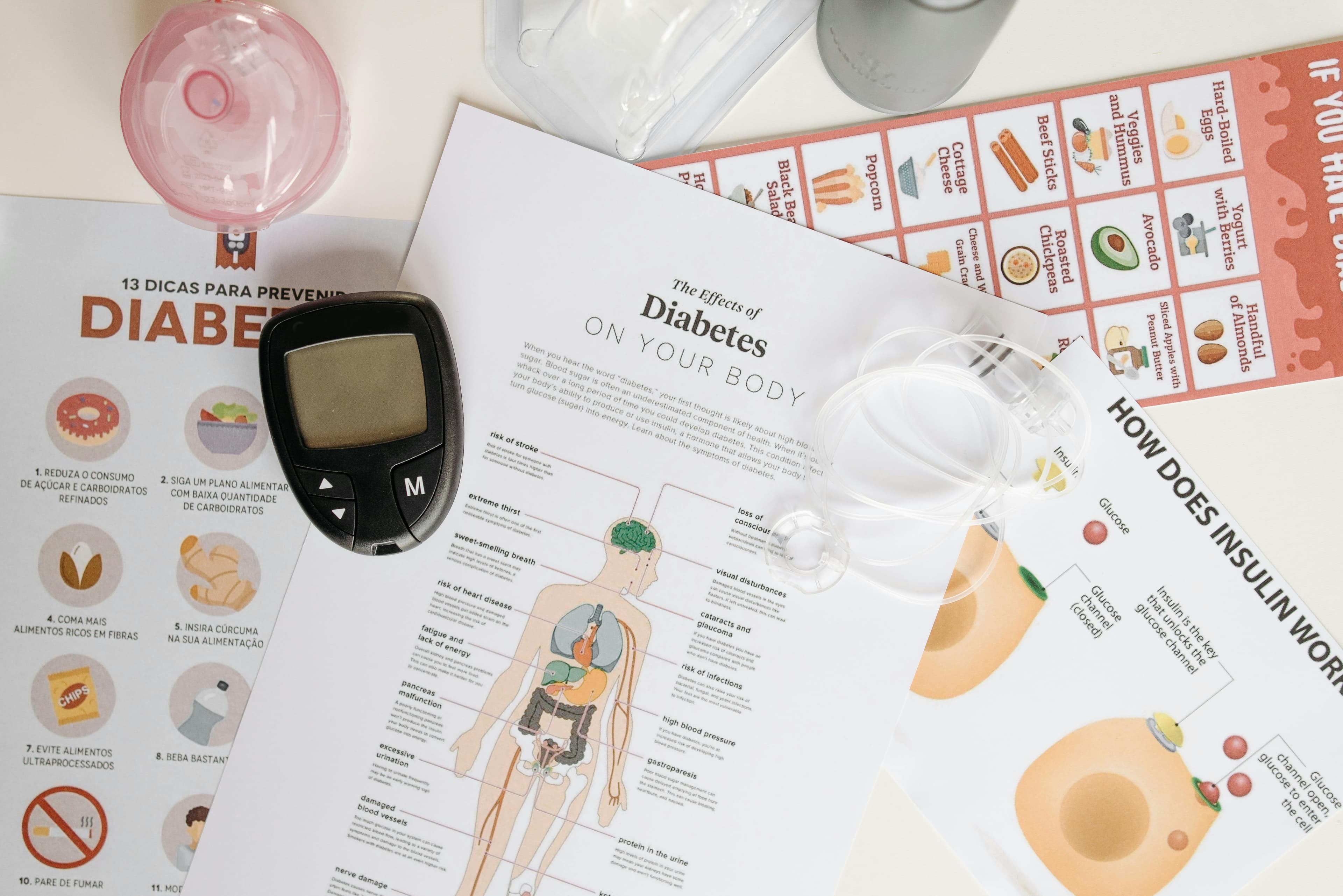
The key lies in understanding the root cause: insulin resistance. When your cells stop responding efficiently to insulin, your pancreas compensates by producing more. Over time, this exhausts the pancreatic beta cells and blood sugar rises. The good news is that insulin resistance is largely driven by diet — which means it can be reversed by diet. Ayurvedic wisdom has understood this for thousands of years, and modern research is now validating what ancient practitioners always knew.
The Role of Low-Glycaemic Indian Foods
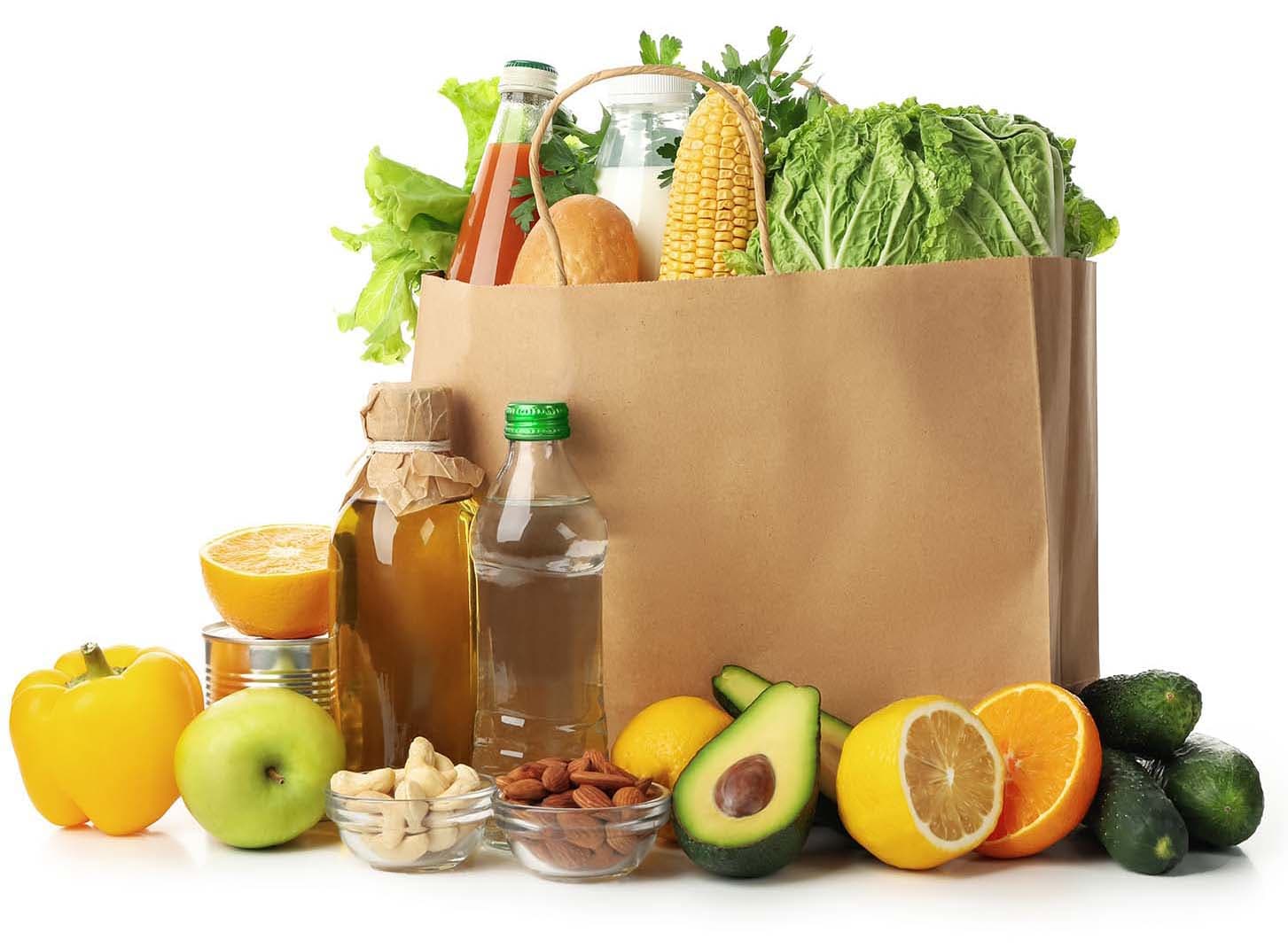
India has one of the richest traditions of low-glycaemic eating in the world — we simply need to return to it. Millets like bajra, ragi, and jowar have a significantly lower glycaemic index than polished white rice and refined flour, yet they were the staple grains across rural India for centuries. Replacing even one daily serving of rice or wheat with a millet-based preparation can measurably reduce post-meal blood sugar spikes within two to three weeks. Bitter gourd (karela), fenugreek seeds (methi), and amla are well-documented in both Ayurvedic texts and clinical literature for their ability to improve insulin sensitivity and reduce fasting glucose levels.
Why Meal Timing Matters as Much as Food Choices
Chronobiology — the science of how the body functions according to time — plays a critical role in blood sugar management. Ayurveda refers to this as dinacharya, or daily rhythm. Eating the largest meal at midday when digestive fire (agni) is strongest, avoiding late-night eating, and maintaining consistent meal intervals all reduce glycaemic variability. Clinical studies confirm that the same food eaten at 8 PM produces a significantly higher blood glucose response than the same food eaten at 12 PM. For diabetics, this temporal component of eating is not optional — it is therapeutic.
The Gut-Insulin Connection
Emerging research has established a direct link between gut microbiome composition and insulin sensitivity. Individuals with Type 2 diabetes consistently show reduced diversity in their gut bacteria and lower levels of butyrate-producing species. Fermented Indian foods — kanji, homemade curd, idli and dosa batter, and fermented pickles — are natural probiotics that help restore this balance. Including a small portion of probiotic-rich food at each meal is one of the simplest and most culturally relevant interventions for improving blood sugar regulation over time.
What a Realistic Reversal Timeline Looks Like
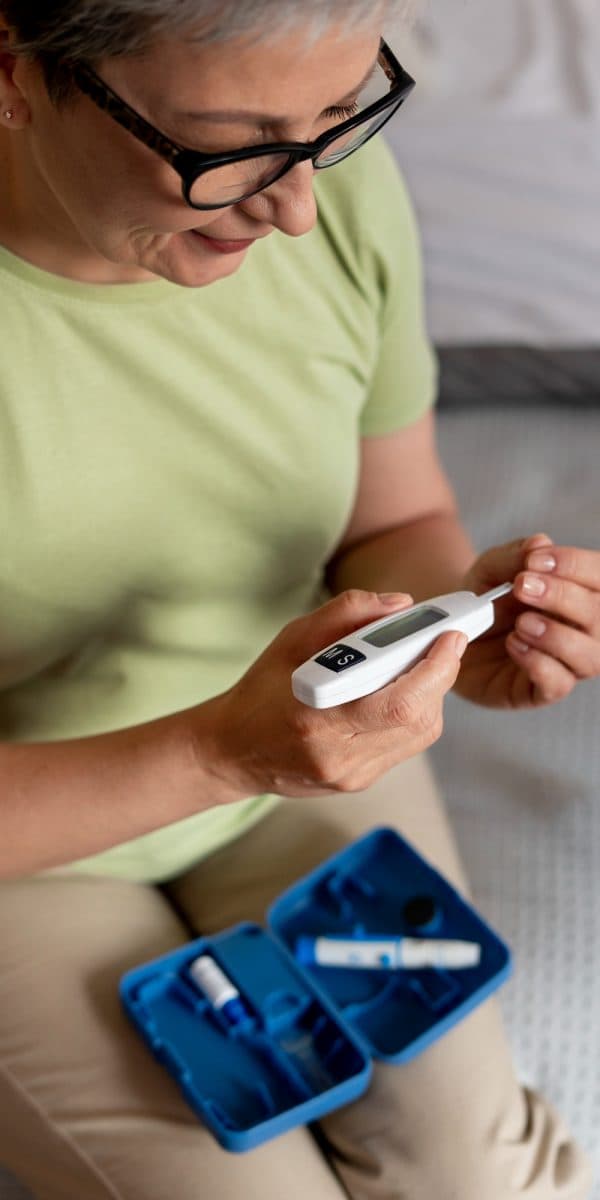
Reversal does not happen overnight, and anyone promising dramatic results in a week is misleading you. In clinical practice, measurable improvements in fasting glucose typically appear within four to six weeks of consistent dietary change. HbA1c — the three-month blood sugar average — begins to drop meaningfully after three months, with many clients achieving pre-diabetic or normal ranges within six to twelve months. The pace depends on duration of diabetes, current medication load, and adherence. What is consistent across cases is that reversal is possible and sustainable when the approach is personalised and evidence-based.
Reversing Type 2 diabetes requires patience, personalisation, and the right guidance — but it is far more achievable than most people are told. If you have been managing your blood sugar with medication for years and feel there should be a better way, there is. A structured, Ayurveda-informed dietary plan tailored to your specific metabolic profile can change the trajectory of your health in ways that no pill alone ever will.