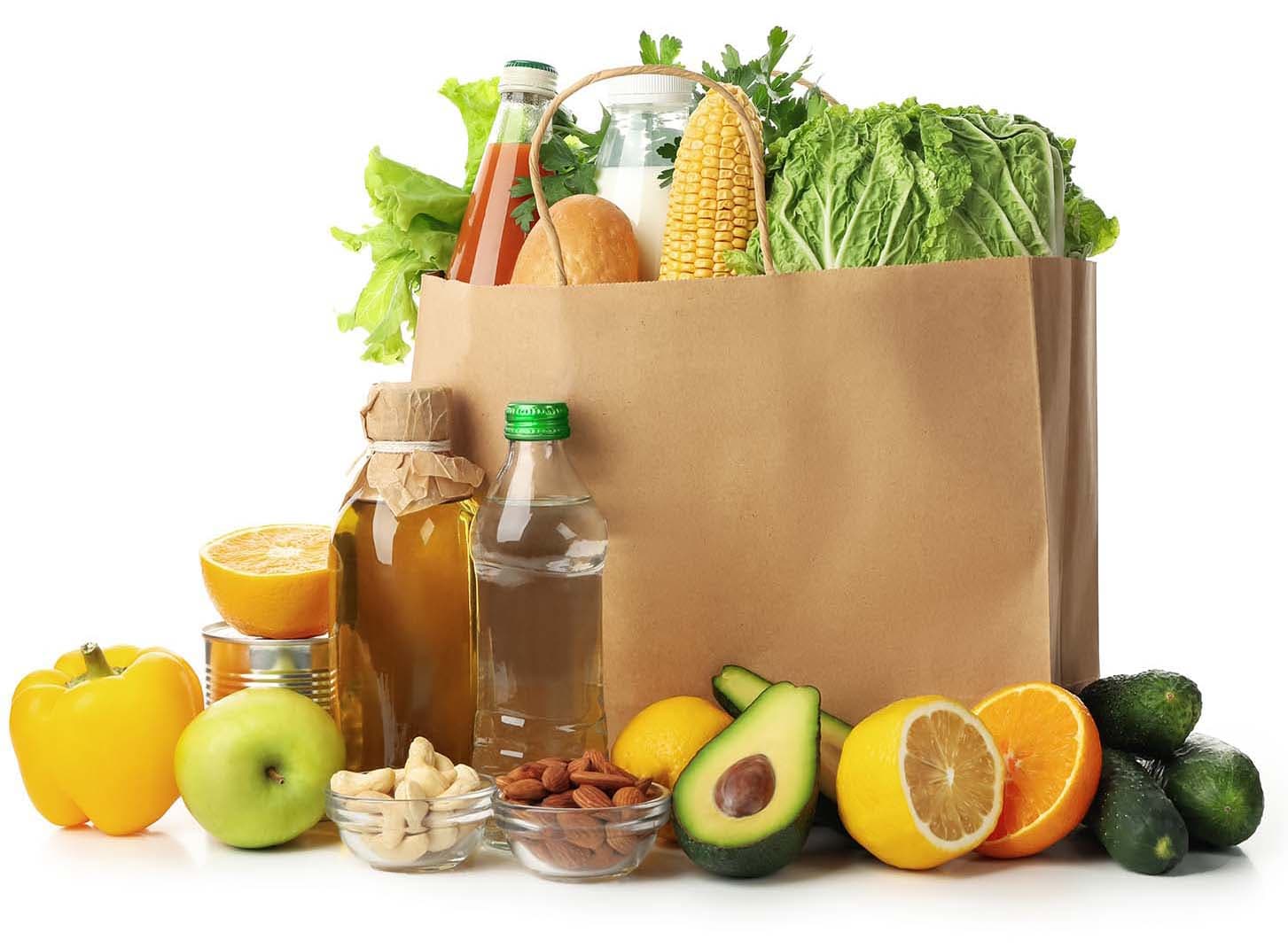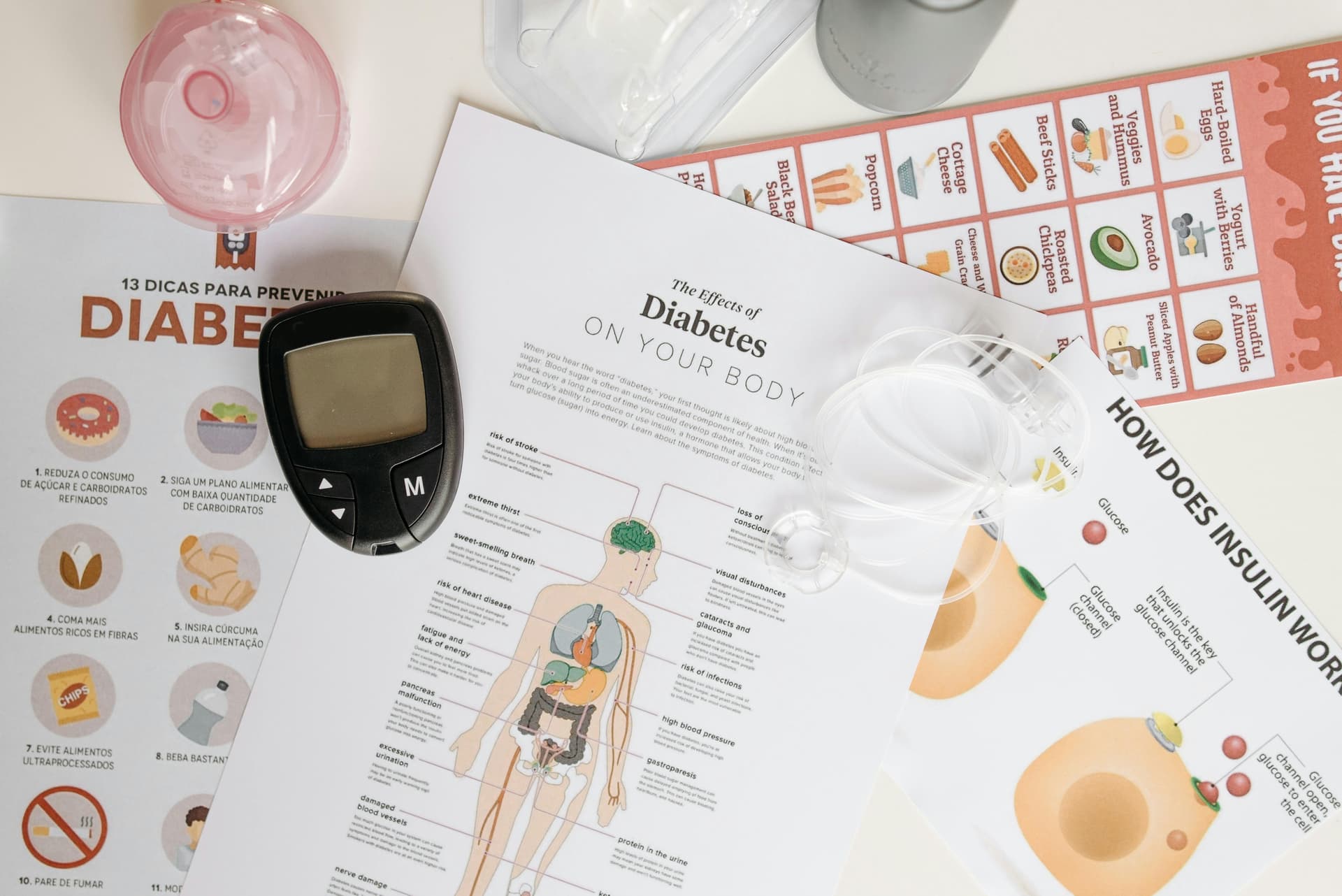
Inflammation is the body's natural defence mechanism — necessary, protective, and self-limiting in its acute form. The problem arises when inflammation becomes chronic and systemic — a low-grade, persistent state that damages tissues, disrupts hormones, accelerates ageing, and drives the pathology of almost every major chronic disease.
The foods you eat are among the most powerful regulators of systemic inflammation. Research has demonstrated that dietary patterns can raise or lower key inflammatory markers like CRP, IL-6, and TNF-alpha within weeks. The Indian dietary tradition contains some of the most potent anti-inflammatory foods in the world — yet modern Indian eating patterns have shifted dramatically toward pro-inflammatory processed foods and refined oils.
The Most Pro-Inflammatory Foods to Reduce
Refined vegetable oils — particularly refined sunflower, soybean, and cottonseed oils high in omega-6 fatty acids — are the primary dietary drivers of chronic inflammation in the Indian diet when consumed in excess. The omega-6 to omega-3 ratio in the Indian diet has shifted from approximately 4:1 (traditional) to 30:1 or higher (modern), which directly promotes inflammatory eicosanoid production. Replacing refined oils with cold-pressed mustard oil, ghee, or coconut oil for cooking is one of the most impactful single dietary changes for inflammation.
Turmeric, Ginger, and the Indian Spice Advantage
India's culinary tradition is rich in anti-inflammatory spices that double as therapeutic agents. Curcumin in turmeric inhibits NF-kB, the master regulator of inflammatory gene expression, through multiple pathways. Gingerol and shogaol in ginger inhibit COX-2 and 5-LOX enzymes — the same enzymes targeted by ibuprofen and aspirin. Cinnamon reduces inflammatory cytokines while simultaneously improving insulin sensitivity. Black pepper, cloves, and cardamom all contain potent antioxidants that reduce oxidative stress. These are meant to be consumed as part of food, where synergistic compounds enhance their efficacy.
The Importance of Omega-3 Fatty Acids
Omega-3 fatty acids — particularly EPA and DHA — are the dietary precursors to anti-inflammatory resolvins and protectins. The richest Indian dietary sources include flaxseeds (alsi) and flaxseed oil, walnuts, mustard seeds, and fatty fish like sardines, mackerel, and rohu. Flaxseeds should be ground before consumption to make their ALA available — one tablespoon added to curd, roti dough, or dal daily is an easy and affordable intervention. For vegetarians who do not eat fish, algae-derived DHA supplements are the most bioavailable option.
An anti-inflammatory diet is not a restrictive regimen — it is a return to the richness of traditional Indian eating: whole grains, abundant vegetables, legumes cooked with protective spices, quality fats, and minimal processing. Making even moderate shifts in this direction produces measurable reductions in inflammatory markers and meaningful improvements in how you feel within four to six weeks.